• Welcome to your new Gnomio site

    Now, you are in control!

    Moodle is an open-source Learning Management System (LMS) that provides educators with the tools and features to create and manage online courses. It allows educators to organize course materials, create quizzes and assignments, host discussion forums, and track student progress. Moodle is highly flexible and can be customized to meet the specific needs of different institutions and learning environments.

    Moodle supports both synchronous and asynchronous learning environments, enabling educators to host live webinars, video conferences, and chat sessions, as well as providing a variety of tools that support self-paced learning, including videos, interactive quizzes, and discussion forums. The platform also integrates with other tools and systems, such as Google Apps and plagiarism detection software, to provide a seamless learning experience.

    Moodle is widely used in educational institutions, including universities, K-12 schools, and corporate training programs. It is well-suited to online and blended learning environments and distance education programs. Additionally, Moodle's accessibility features make it a popular choice for learners with disabilities, ensuring that courses are inclusive and accessible to all learners.

    The Moodle community is an active group of users, developers, and educators who contribute to the platform's development and improvement. The community provides support, resources, and documentation for users, as well as a forum for sharing ideas and best practices. Moodle releases regular updates and improvements, ensuring that the platform remains up-to-date with the latest technologies and best practices.

    Links of interest:

    (You can edit or remove this text)

Available courses

Flexible learning is an educational approach that gives learners greater choice and control over when, where, how, and at what pace they learn. It accommodates diverse learner needs by allowing multiple pathways to achieve learning outcomes. Flexibility may involve varied schedules, learning modes (online, face-to-face, self-paced), assessment options, and learning resources. This approach supports inclusivity, learner autonomy, and lifelong learning, especially for students balancing education with work or personal responsibilities.

Blended learning is a structured approach that combines face-to-face instruction with online or digital learning activities. It integrates the strengths of traditional classroom interaction (such as immediate feedback and social engagement) with the advantages of online learning (such as accessibility, multimedia resources, and self-paced study). Blended learning models may include flipped classrooms, rotational models, or hybrid courses.

In summary, flexible learning focuses on learner choice and adaptability, while blended learning focuses on intentional integration of in-person and online learning. Both approaches enhance access, engagement, and effectiveness of education, promote active learning, and support diverse learning needs when well designed and supported by appropriate technology and pedagogy.
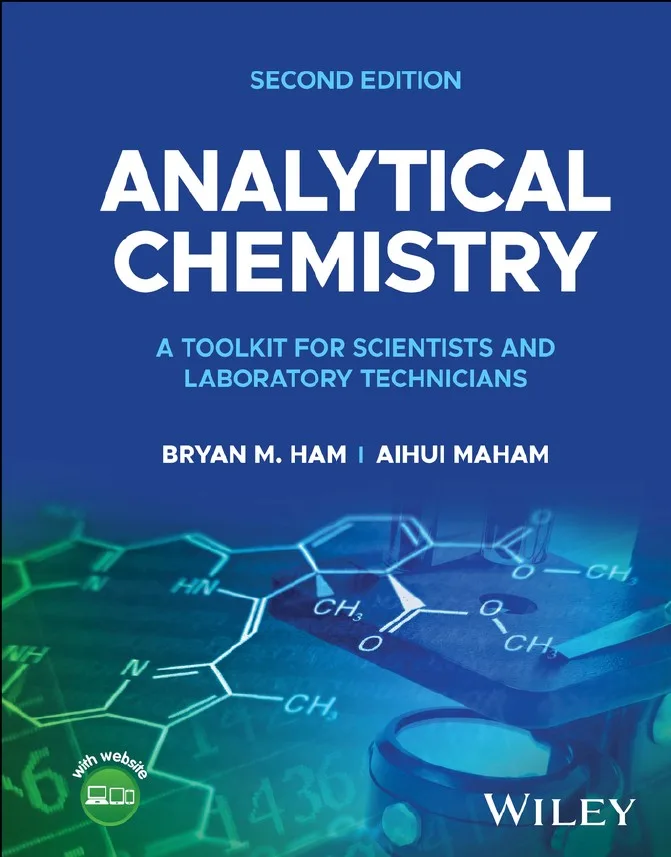


Analytical chemistry is the branch of Chemistry focused on identifying ,seperating and quantifying matter.It provides theoretical and practical foundation for chemical analysis in research, industry and environmental monitoring.

Key topics include:

1. Introduction to analytical chemistry 

2. Chemical measurements

3.Gravimetric and titrimetric methods 

4.Instrumental methods 

5. Sample preparation